

Building the Next Generation of Water Professionals in Harrison County
May 26, 2026
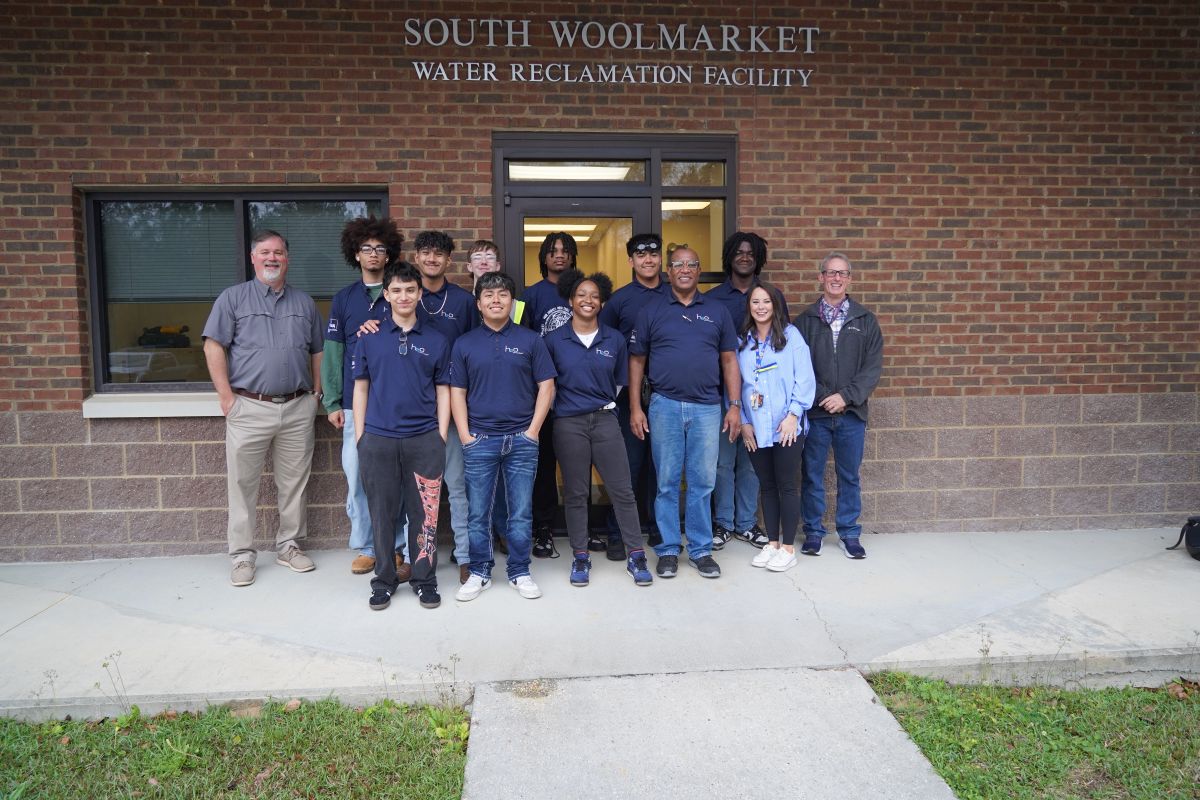
Most people rarely think about what happens after water leaves their home, but that simple question sits at the center of a growing workforce challenge in Harrison County. The Harrison County Utility Authority, in partnership with H2O, has launched a pilot program designed to introduce high school seniors to careers in water and wastewater operations while addressing a critical need for trained professionals in the field.
The industry faces a workforce shortage as experienced operators near retirement, taking decades of knowledge with them. Local utilities are now focused on preparing students to step into those roles before the gap grows wider.
“We're losing our career senior operators,” says H2O Innovation Water Director Tony Hall. “And so therefore they wanted to try and start a program where we be able to transfer that knowledge to somebody else instead of just taking it with me.”
The program gives students a direct look at that knowledge in action. At Gulfport High School, seniors enrolled in the course spend three days each week in classroom instruction and two days in the field at treatment facilities across Harrison County. The classroom work focuses on treatment processes and certification math, while field days bring those lessons to life.
“My role was to teach the process,” Hall says. “Meaning what goes on in the treatment plant from day to day, from when it comes in until it goes out.”
That process quickly becomes hands-on. Students collect samples, test water quality and take part in routine maintenance tasks that mirror the responsibilities of working operators.
“One day, we went out there,” Hall says. “They actually had to clean a clarifier. Why? Because operators are going to have to do housekeeping.”
He says the goal was to remove any illusion about what the job involves.
“As operators, sometimes you're going to get your hands dirty,” Hall says. “One day, we were talking about maintenance, so they had to actually grease a bearing, get the grease all on their hands just like operators do.”
For students, that experience changes how they view both water and the work behind it. Many had never considered how essential wastewater treatment is to everyday life until they saw it firsthand.
“I feel like this industry is really underappreciated,” says H20 Waterworks Academy student Shadryck Brown. “When you take a shower, you never think where your water goes, but then it comes back to us and we treat it and keep the community clean.”
The program also helps students understand the career opportunities available in the field. For some, it has already translated into job prospects immediately after graduation.
“We have two people waiting to get hired after they graduate,” says H20 Waterworks Academy student Dylan Martinez. “It's a good career because people who don't want to go to college can do this.”
The stakes behind that training are significant. Harrison County Utility Authority provided more than one billion gallons of water last year and serves communities across the Mississippi Gulf Coast, making operator readiness essential to maintaining daily service.
“We provide water to the entirety of Harrison County,” says HCUA Engineering and Construction Manager P.E. Sam Broom. “Every city on the coast receives water from us. So, we have to have these operators to maintain these facilities.”
Despite being a pilot program, early results are already promising. Five of the nine students enrolled passed the Class II Wastewater certification exam in the program’s first year.
“I was really excited that we were able to get five out of the nine to pass their certification this year,” Hall says.
For students like Jairo and Pedro, the program also opens long-term pathways that extend beyond the coast. Some plan to continue their education in engineering or water-related fields, while others see a portable certification that can travel anywhere.
“You can take your certification anywhere around the world,” says H20 Waterworks Academy student Pedro Quiahua. “And be able to work for any company doing water treatment.”
Sam says that mobility reflects the universal need for the profession.
“No matter where there are people, you have people who need water and people who waste it,” he says. “So, you have to treat that wastewater.”
As HCUA prepares to expand the program across Harrison County the next school year, growing from nine students to approximately 30, the focus remains on building awareness and creating a sustainable pipeline of trained operators.
“The whole premise is that some of them actually want to come work in this field now,” Hall says. “And that's the payoff.”
Watch the full video to hear how this pilot program is building skills, creating opportunity and preparing the next generation of water professionals.